
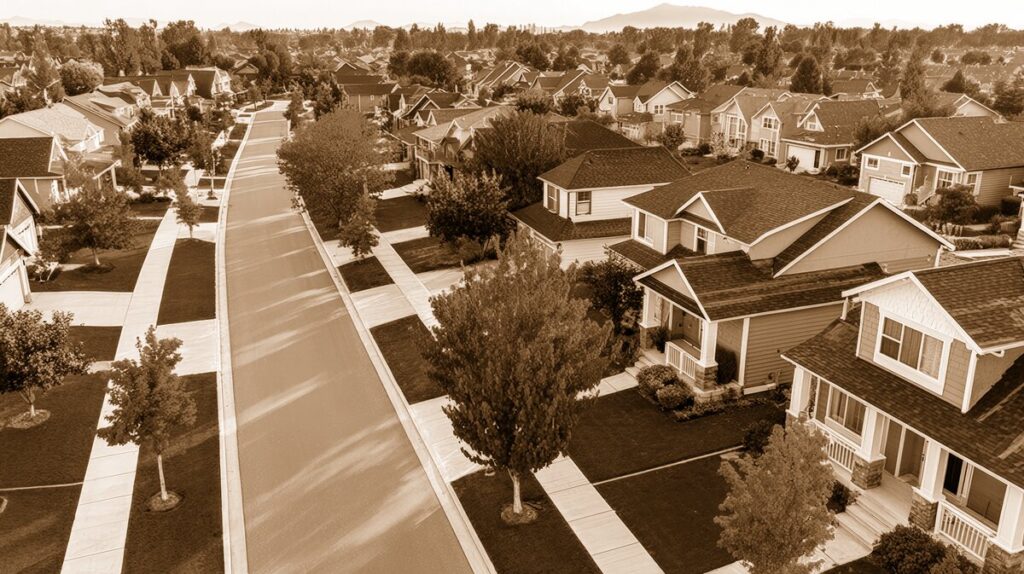
Nestled quietly just south of bustling downtown Denver lies Platt Park, a neighborhood beloved for its tree-lined streets, independent shops, and a rich tapestry of local heritage. Residents and visitors alike often marvel at this enclave's charm, but the true allure of Platt Park runs deeper—woven into its historic avenues, storied architecture, and close-knit community spirit that continues to thrive.
Early Beginnings: The Seeds of Platt Park
The history of Platt Park traces back to the late 19th century, when Denver itself was barely out of its infancy. Like much of the Mile High City, the land that would become Platt Park was once vast prairie, traversed by Native American peoples and, later, hopeful settlers drawn by gold and opportunity.
The neighborhood began to take shape in the 1880s as nearby rail lines spurred development south of the city. By the 1890s, the area was being settled as part of the town of South Denver—one of several small municipalities that ringed the original city limits. South Denver boasted its own government and spirit, but life revolved around Grant Avenue, Pearl Street, and what’s now the heart of Old South Pearl.
The Name Behind the Neighborhood
Platt Park’s name is a tribute to James H. Platt, Jr., a respected 19th-century Colorado politician, businessman, and civic leader. Platt was instrumental in the growth of the area, championing public works and improvements during his time as a U.S. Congressman. When the city’s namesake park opened in 1899—offering lush green space and gathering places for the community—the moniker “Platt Park” began to stick for the neighborhood at large.
The park itself, which rests between S. Logan and S. Downing Streets, remains a central feature. Its welcoming lawns, playground, and winding paths still serve as gathering spots for neighbors and families, just as they did over a century ago.
Major Milestones in Neighborhood History
- Annexation to Denver: In 1894, South Denver, including what is now Platt Park, was officially annexed by the City and County of Denver. This move opened the door for greater investment in municipal services, schools, and infrastructure, laying the groundwork for the thriving residential enclave seen today.
- Streetcar Boom: Early 20th-century development in Platt Park owed much to the expansion of Denver’s streetcar system. The Grant Streetcar Line brought residents quickly downtown and back, inspiring a wave of “streetcar suburbs” along core tree-shaded corridors.
- The Great Depression and WWII: Like much of Denver, Platt Park weathered the hardships of the 1930s and 1940s with resilience. Modest, craftsman-style homes and bungalows—still plentiful here—became the norm, their enduring architecture now treasured by preservationists and homeowners alike.
Notable Landmarks and Historic Buildings
Platt Park may be small in size, but it offers a mighty collection of landmarks. Some of the neighborhood’s most beloved institutions and sites include:
- Decker Branch Library: Standing proudly at 1501 S. Logan Street, this beautiful Carnegie library opened in 1913 and is one of the oldest branch libraries in Denver. With its charismatic brick facade and ornate details, Decker remains a hub of community learning and activity.
- The South Pearl Street Business District: Once home to trolley stops and grocers, today’s South Pearl Street is a lively corridor packed with locally owned shops, cafes, and the legendary Pearl Street Farmers Market. Many storefronts date back to the early 1900s and retain their vintage character.
- Historic Platt Park Church: At 1601 S. Clarkson Street, Platt Park Church (established 1929) stands as a testament to generations of faith and fellowship. Its stunning architecture and welcoming congregation keep local traditions alive.
Evolution Through the Decades
Platt Park has always been defined by its sense of community. Over the years, waves of change have shaped—and often rejuvenated—the neighborhood:
- Postwar Suburbia: After World War II, Platt Park became especially popular with returning veterans and young families. The neighborhood’s tidy grid and walkable layout made it ideal for residential growth.
- 1970s and 1980s Reinvention: In these decades, Denver rediscovered its inner neighborhoods. Platt Park saw young families and urban pioneers move in, restore bungalows, and embrace both the old and the new.
- Modern Renaissance: Today, Platt Park is known for its seamless blend of history and hipness. Contemporary townhomes, green initiatives, and vibrant businesses complement heritage homes and quiet streets. The neighborhood’s excellent schools—like McKinley-Thatcher Elementary on S. Downing—draw families seeking roots in a thriving, accessible community.
The Spirit of Platt Park
Ask any longtime Platt Park resident, and they’ll tell you the neighborhood is defined by the people who call it home. Community associations, annual block parties, and volunteer efforts are longstanding traditions. Events at the Platt Park Recreation Center on S. Washington Street or at the park itself bring neighbors together year-round.
On a summer Saturday, you might spot kids chasing soccer balls in Platt Park, friends chatting at Steam on Pearl with locally roasted coffee, or families stocking up on fresh produce from the farmer’s market. These everyday moments, set against a backdrop of history, are what give Platt Park its special kind of magic.
Why Platt Park Matters
In a city as fast-growing and diverse as Denver, neighborhoods like Platt Park remind us of the lasting value of heritage and community. Here, residents honor the past while embracing the future—a balance visible in the preserved facades along Pearl, the shade of century-old trees on S. Lincoln, and the welcoming feel that permeates every block.
Whether you are strolling past the landmark Decker Library, picnicking in the park, or simply enjoying the neighborly waves from wide front porches, Platt Park’s legacy lives on. For those lucky enough to call it home—or those just passing through—this neighborhood is a living chapter of Denver’s history, unfolding every day in the prettiest corner of town.